
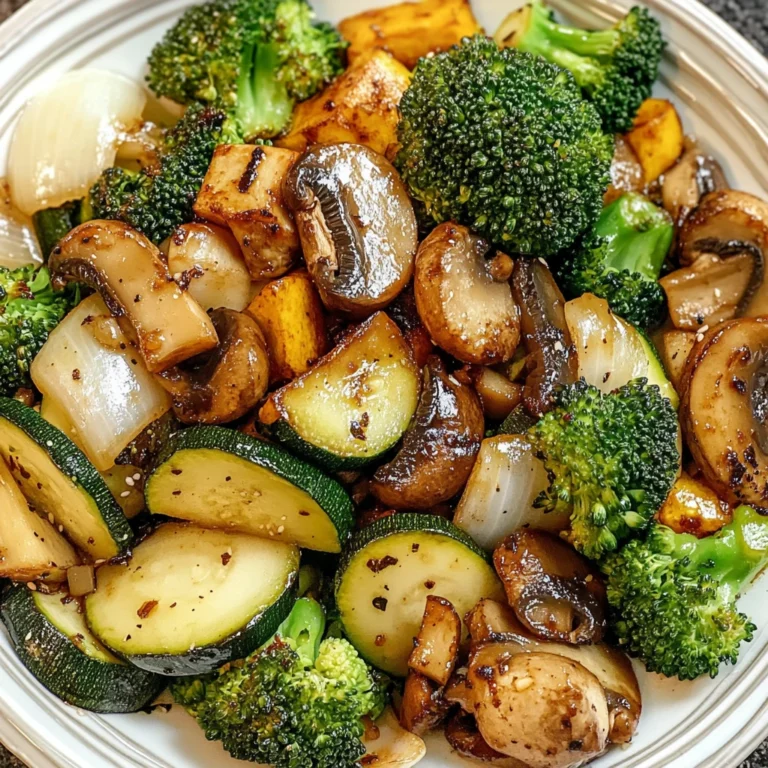
Ah, the sizzling sounds and mesmerizing theatrics of Hibachi cooking – where culinary artistry meets mouthwatering flavors. At the heart of this captivating experience are the beloved Hibachi Vegetables, a vibrant and versatile dish that has captured the hearts (and taste buds) of diners worldwide. Whether you’re craving the classic combination or seeking to experiment with new flavor profiles, mastering the art of Hibachi-style vegetables is a culinary journey worth embarking on.
Table of Contents
Understanding the Essence of Hibachi Cooking
Originating in Japan, the Hibachi grill has become a beloved institution, offering a lively and interactive dining experience. At its core, Hibachi cooking revolves around the sizzling performance of a skilled chef, who expertly wields a set of razor-sharp knives to slice, dice, and toss an array of ingredients with precision and flair. The Hibachi Vegetables are often the star of the show, showcasing the chef’s prowess and the pure flavors of the fresh produce.
Traditionally, Hibachi vegetables have included a harmonious blend of zucchini, broccoli, onions, and mushrooms – each ingredient contributing its unique texture and flavor profile to the dish. However, the beauty of Hibachi cooking lies in its adaptability, allowing you to experiment with a wide range of seasonal vegetables and creative combinations.
Mastering the Ingredients for Hibachi Perfection
Let’s delve into the essential ingredients that come together to create the mouthwatering Hibachi Vegetables:
- Vegetable Oil: This high-heat-tolerant oil is the foundation for achieving that iconic Hibachi sear and char on the vegetables.
- Butter: A touch of butter adds a rich, creamy flavor and helps to caramelize the vegetables for a delightful balance of sweetness and savory goodness.
- Garlic and Ginger: These aromatic powerhouses infuse the vegetables with a bold, fragrant flavor that is quintessential to Hibachi cuisine.
- Zucchini: A versatile and crisp-tender vegetable that soaks up the flavors of the dish beautifully.
- Onion: Adding a subtle sweetness and depth of flavor, onions are a staple in Hibachi vegetable dishes.
- Broccoli: Vibrant, crunchy, and packed with nutrients, broccoli is a classic Hibachi companion.
- Mushrooms: Earthy, meaty, and full of umami, mushrooms elevate the overall flavor profile of the Hibachi Vegetables.
- Soy Sauce: This versatile condiment lends a touch of savory depth and balance to the dish.
When selecting your ingredients, be sure to opt for the freshest and highest-quality produce available. The key to Hibachi perfection lies in the quality and freshness of the ingredients you use.
Step-by-Step Guide to Hibachi Vegetable Mastery
Ready to channel your inner Hibachi chef and create a sizzling masterpiece at home? Follow these simple steps to achieve Hibachi Vegetables that will transport you straight to the heart of a lively Hibachi grill experience:
- Heat the Pan: Start by heating a large skillet or wok over medium-high heat. Add the vegetable oil and butter, allowing them to heat up and shimmer.
- Sauté the Aromatics: Toss in the minced garlic and ginger, sautéing them briefly until they become fragrant and infuse the oil with their bold flavors.
- Cook the Vegetables: Add the zucchini, onion, broccoli, and mushrooms to the pan. Stir-fry the vegetables, ensuring they remain crisp-tender and evenly coated with the flavors.
- Season to Perfection: Drizzle in the soy sauce and season with salt and black pepper to taste. Toss the vegetables to distribute the seasonings evenly.
- Serve and Enjoy: Transfer the sizzling Hibachi Vegetables to a serving dish and garnish with a sprinkle of sesame seeds, if desired. Serve hot and savor the vibrant flavors and textures.
The key to nailing Hibachi-style vegetables is maintaining high heat throughout the cooking process. This ensures the vegetables develop a delightful char and crisp-tender texture, just like the ones you’d enjoy at your favorite Hibachi restaurant.
Elevating Your Hibachi Vegetable Experience
While the classic combination of zucchini, broccoli, onions, and mushrooms is a crowd-pleaser, don’t be afraid to get creative and experiment with your Hibachi Vegetables. Consider adding colorful bell peppers for a sweet and crunchy contrast, or try incorporating asparagus or snap peas for a fresh, vibrant twist. Seasonal vegetables like eggplant or baby corn can also add an interesting flair to your Hibachi-style dish.
If you’re looking to avoid soy sauce or follow a specific dietary preference, you can experiment with alternative flavors. Coconut aminos, a soy-free and lower-sodium alternative, can provide a similar umami depth. A simple marinade of sesame oil, rice vinegar, and a touch of honey or maple syrup can also elevate your Hibachi Vegetables with a delightful sweet-and-sour balance.
For an unexpected and delightful twist, consider incorporating fresh fruit into your Hibachi Vegetables. Pineapple is a classic choice, as its caramelized sweetness pairs beautifully with the savory flavors. You can also try mango slices or citrus segments like oranges or grapefruits for a refreshing contrast.
Mastering the Art of Hibachi Vegetables at Home
With these tips and tricks, you’re well on your way to mastering the art of Hibachi Vegetables in your own kitchen. Remember, the key to success lies in maintaining high heat, using quality ingredients, and experimenting with flavors to create your own signature Hibachi-inspired masterpiece.
So, gather your ingredients, fire up the skillet, and let the sizzling showmanship begin. Embrace the joy of cooking Hibachi Vegetables and share the experience with your loved ones. Bon appétit!
More Related Recipes You Might Enjoy
FAQ
What are some unique vegetable combinations for Hibachi cooking?
While traditional Hibachi vegetables often include zucchini, broccoli, and onions, you can get creative with your combinations. Consider adding bell peppers for sweetness, asparagus for a crunchy texture, or snap peas for a fresh burst of flavor. You can also experiment with seasonal vegetables like eggplant or baby corn. Mixing different colors and textures not only enhances the visual appeal but also offers a variety of nutrients and tastes.
How can I enhance the flavor of my Hibachi vegetables without using soy sauce?
If you’re looking to avoid soy sauce, there are several alternatives to enhance the flavor of your Hibachi vegetables. You can use coconut aminos, which provide a similar umami flavor but are soy-free and lower in sodium. Another option is to create a marinade using sesame oil, rice vinegar, and a bit of honey or maple syrup for sweetness. Fresh herbs like cilantro or basil can also be added at the end of cooking to give a fresh, vibrant flavor.
Can I incorporate fruits into my Hibachi vegetables?
Yes, incorporating fruits into your Hibachi vegetables can add an unexpected twist and enhance the dish’s sweetness. Pineapple is a popular choice, as it caramelizes beautifully when grilled. You can also try mango slices or even citrus segments like oranges or grapefruits for a refreshing contrast. Just remember to add fruits towards the end of cooking to prevent them from becoming mushy.
What are some common mistakes to avoid when cooking Hibachi vegetables?
One common mistake is overcrowding the pan, which can lead to steaming rather than sautéing. Make sure to cook in batches if necessary to maintain high heat and achieve that desirable crisp-tender texture. Another mistake is not preheating the pan adequately, which can prevent the vegetables from getting a good sear. Additionally, be cautious with seasoning; it’s better to start with a small amount and adjust as needed to avoid overpowering the natural flavors of the vegetables.
For more snack ideas and kitchen inspiration, follow me on Pinterest.
Print
Discover the Joy of Cooking Hibachi Vegetables at Home!
- Prep Time: 10 minutes
- Cook Time: 10 minutes
- Total Time: 20 minutes
- Yield: 4 servings 1x
- Category: Vegetarian
- Method: Stir-fry
- Cuisine: Japanese
- Diet: Vegetarian
Description
Hibachi Vegetables are a vibrant and versatile dish featuring a blend of zucchini, broccoli, onions, and mushrooms, cooked to perfection with bold flavors.
Ingredients
- 2 tablespoon vegetable oil
- 2 tablespoon butter
- 2 cloves garlic, minced
- 1 tablespoon ginger, minced
- 1 medium zucchini, sliced
- 1 medium onion, sliced
- 2 cup broccoli florets
- 1 cup mushrooms, sliced
- 2 tablespoon soy sauce
- salt to taste
- black pepper to taste
Instructions
- Heat a large skillet or wok over medium-high heat. Add the vegetable oil and butter, allowing them to heat up and shimmer.
- Toss in the minced garlic and ginger, sautéing them briefly until fragrant.
- Add the zucchini, onion, broccoli, and mushrooms to the pan. Stir-fry the vegetables until crisp-tender.
- Drizzle in the soy sauce and season with salt and black pepper to taste. Toss the vegetables to distribute the seasonings evenly.
- Transfer the sizzling Hibachi Vegetables to a serving dish and garnish with sesame seeds if desired. Serve hot.
Notes
For added flavor, consider incorporating seasonal vegetables or fruits like pineapple for sweetness. Maintain high heat for a perfect char.
Nutrition
- Serving Size: 1 cup
- Calories: 150
- Sugar: 2g
- Sodium: 500mg
- Fat: 10g
- Saturated Fat: 4g
- Unsaturated Fat: 6g
- Trans Fat: 0g
- Carbohydrates: 12g
- Fiber: 3g
- Protein: 3g
- Cholesterol: 15mg